
What is a digital marketing strategy?
A digital marketing strategy is a plan for using channels to grow your visibility online. It should look at factors such as your target audience, strengths and weaknesses, and competitors.
To create an effective strategy that benefits your business, you should use data across channels and touchpoints to inform and predict. This will help you establish which marketing channels to use or test, your target buyer personas or audience, and how to communicate your message or brand.
It’s worth noting that a digital marketing strategy is different from tactics as these are the actions you take to implement your strategy.
4 tips for creating an effective digital strategy
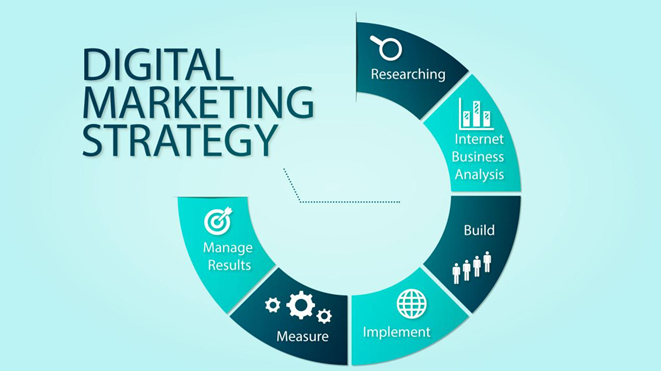
There are a few key elements to consider in creating an effective digital marketing strategy. Let’s look at each one in turn.
1. Understand your customer
No digital marketing strategy will be effective if you don’t have a clear understanding of who buys your product, why they buy it, and where they buy it.
Use data and demographics to create a robust profile of your audience and inform your tactics by following these steps:
- Define the channels that fit your key demographics
- Speak your customer’s language
- Understand their pain points and how to switch on emotions
- Create defined buyer personas to customize content and predict buying patterns
- Be culturally aware
- Consider partnerships by leveraging influencer marketing
- Focus on action-oriented experiences and results rather than the product
- Use automation tools for segmentation and targeting
Top tip: Download our buyer persona template if you need help in creating defined personas to target.
2. Audit and assess
To create an effective strategy, it’s important to know the digital marketing channels and assets you currently use and have.
Therefore you should conduct a full channel and content audit and include everything on a spreadsheet to get a full picture of your marketing activities (across owned, paid, and earned media).
You should then link each piece to your organizational goals. So if your key goal is to drive revenue, look at each channel and asset (you may just want to look at the top performers if you have a lot of content) and map it to revenue.
Doing this will help you understand what is currently driving revenue and what isn’t. You can then double down on what’s successful and look to explore new content pieces or channels for any further impact.
3. Focus on the end result
In marketing and product development, there can be so much emphasis on the product and the ‘numbers’ around it (i.e. revenue) that sometimes people lose sight of the need that the product fulfills.
What truly matters is who you are marketing to, and why. You need to understand their pain points to get what people are doing with your product or service. In other words, when you demonstrate the post-buying moments, they will remember why they need it in the first place.
4. Review and refine
When you develop your strategy, it’s essential to include key performance indicators (KPIs) that fit with crucial business goals.
You need to have a plan in place to understand your goals and objectives and then monitor the metrics to get insights about the KPIs that matter. To do this you’ll need to:
- Step away from vanity metrics – don’t pay attention to the numbers that aren’t crucial to long-term success, e.g. Facebook likes
- Use KPIs to measure success, but don’t have them set in stone – use our targets and KPIs toolkit to help you do this
- Set up continuous intervals for analyzing, understanding, measuring, and reporting
- Understand how to isolate critical metrics if it looks like something isn’t working
What are the most effective digital marketing strategies?
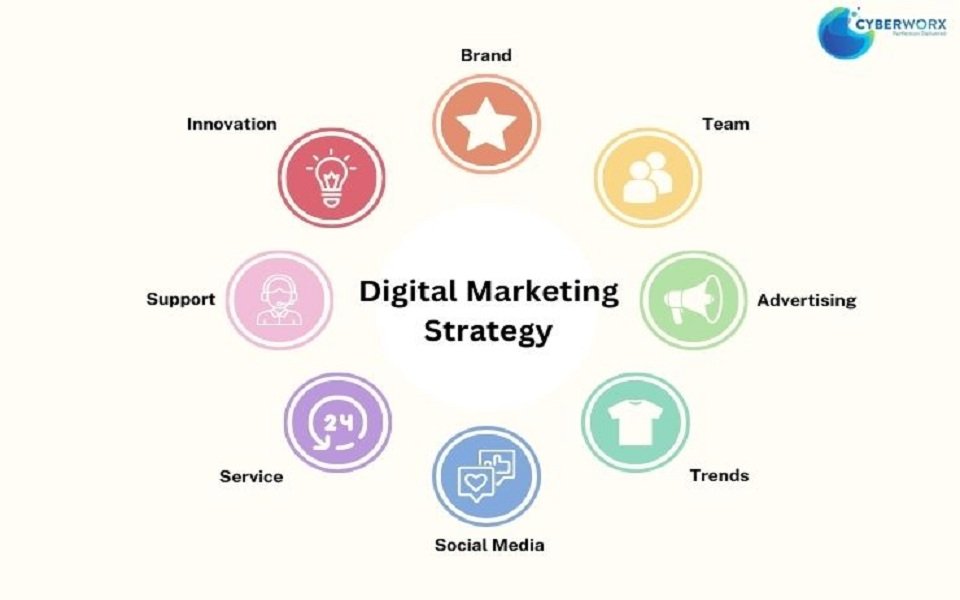
The digital marketing strategies you use will depend on the needs and goals of your business: for example, to grow leads or build brand awareness.
Keep in mind that any strategy you use should align with your brand and message. Let’s look at a few of the most effective strategies that are proven to get results and help you build online visibility and generate leads.
Content marketing
There are many ways of generating leads, but one tried and tested method is by creating and distributing great (and valuable) content and using digital channels to promote it. This is what’s known as content marketing.
For example, you can tie an Instagram post to a specific offer using a landing page, thereby boosting your conversion potential. This could be as simple as promoting an ebook that is relevant to your audience but making it gated so you gather a visitor’s details.
There are a lot of content types that you can use so don’t just stick to one. Along with blogs, create videos, put some energy into creating a valuable ebook, or look at hosting a webinar with in-house staff or experts to drive leads and engagement.
Social media marketing
Social media marketing is an effective way to reach and influence 5 billion people across the globe. Plus depending on the network, social media has such reach you can target specific age groups and locations.
While you can simply use social media to promote your brand, product or service, it can also be instrumental in developing a community. This allows you to have meaningful engagement with prospects or customers and create brand advocates that will promote your brand without being asked.
Social media marketing covers a highly varied landscape that is constantly changing, and each channel requires its own strategy and metrics. Make sure you keep social listening as part of your overall strategy to help you understand and engage with your audience.
Top tip: Don’t limit yourself to the well known social channels either, there’s a raft of alternative social media platforms that are gaining popoularity amongst consumers and brands.
SEO
Search Engine Optimization (SEO) is an important digital marketing strategy as it can make your brand, product or service more visible online.
The goal of SEO is to optimize your content – whether that’s a homepage, landing page or blog – so it gets found easily by existing and prospective customers. It not only helps to drive traffic but improves user experience and can help to boost your authority.
There are a few key elements of SEO to tap into user intent that you should consider:
- Keywords
- Backlinks
- Links
- Meta descriptions
- Images
The key is to use SEO to target the people searching online that are most likely to be interested in your brand.
Here’s a video walkthrough from SEO expert Joe Williams on how to use AI to find keywords to optimize your SEO activities.